
Smile Makeover
A smile designed for you.
Veneers can change the shape, color, proportion and overall appearance of your smile. But the goal at Smile Studio isn’t to give everyone the same “perfect” teeth. It’s to create a smile that looks natural on you.
In Condado, Dr. Lirie Doyle Avellanet uses digital scanning and careful smile planning to design your veneers before treatment begins, so you understand where you’re going before we touch a tooth.
What they are
Thin porcelain shells, bonded to the front of the tooth.
Veneers aren’t the answer to every cosmetic concern, and we don’t believe in recommending them when a simpler treatment would work. Your consultation starts by determining what your smile actually needs.
- Chipped or worn teeth
- Stubborn discoloration that doesn’t respond well to whitening
- Gaps between teeth
- Uneven tooth shapes or sizes
- Minor alignment concerns
- The overall proportion and symmetry of your smile
Will my veneers look natural? They should.
One of the biggest concerns we hear is that veneers will look too white, too large, or simply “fake.” A natural result isn’t just about choosing a shade. It’s about proportion, shape, texture, and how the teeth work with your face.
That’s why we plan before we treat. Digital design lets Dr. Doyle evaluate the proportions of your proposed smile and adjust them before your final veneers are made. The goal isn’t for people to notice your veneers. It’s for them to notice your smile.
The Smile Studio process
Nothing starts until you’ve seen the plan.
Scan
A digital scan with our Medit 3D scanner maps your teeth in detail, without the uncomfortable traditional impressions of the past. We also check whether veneers are appropriate for your teeth, gums, enamel and bite.
Design
Dr. Doyle plans your case tooth by tooth, against your facial proportions and the way your smile looks naturally, not just in a posed photograph. You preview the proposed direction before treatment moves forward.
Prepare
Where preparation is necessary, the philosophy is simple: preserve as much healthy natural tooth as possible. Veneers are a long-term decision, which is why conservative planning matters.
Reveal
Your final veneers are placed and carefully adjusted for fit, comfort and appearance. Then comes the best part: seeing your new smile.
Why we design before we treat.
I don’t begin a veneer case without first planning where we’re going. Digital scanning allows me to evaluate the result and make adjustments before committing to irreversible changes to a patient’s natural tooth structure.
For me, the design phase isn’t optional. It’s part of treating every case thoughtfully and conservatively.
Which treatment is actually yours.
There isn’t one material that’s automatically right for everyone. We’ll recommend the option that makes sense for your specific teeth, goals and treatment plan.
Veneers, or just whitening?
If your teeth already have a shape and position you like and your main concern is color, professional whitening may be all you need. Veneers make more sense when you want to address several concerns at once. Some patients whiten their natural teeth first, then match veneers to the new shade.
Porcelain veneers
Fabricated outside the mouth from your digital treatment plan. Excellent esthetics and stain resistance, and generally the choice when we’re making a more comprehensive change to the smile.
Composite veneers
Created directly on the tooth. Easier to adjust, and often the sense-making option for smaller changes, or when budget is an important consideration.
One of the studio’s own cases.
Drag the handle to compare Before and After directly.
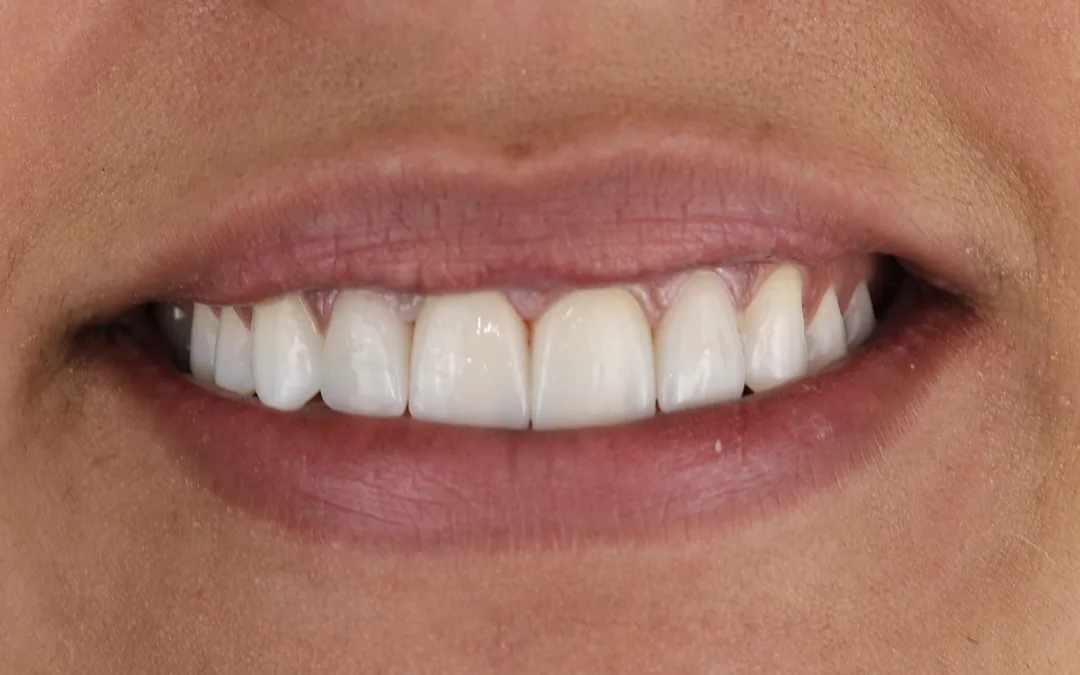 After
After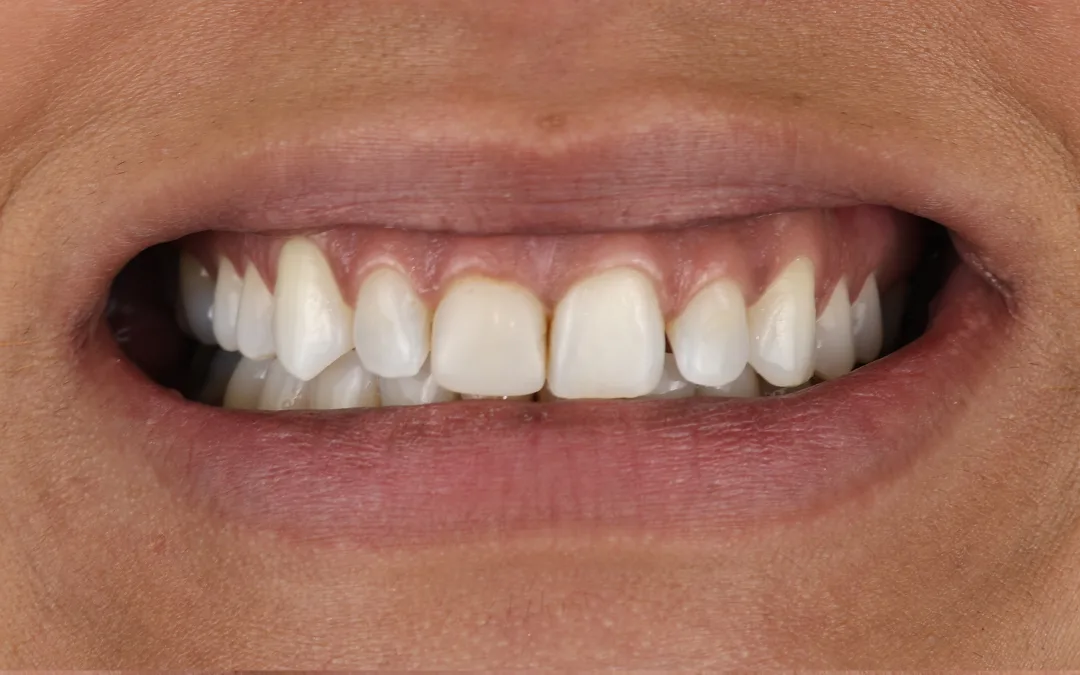 Before
A smile that sat unevenly: proportions out of balance, edges out of line. Redesigned tooth by tooth into a fuller, brighter arc that follows the lower lip naturally.
The questions patients ask about veneers.
Do veneers hurt?
Comfort is part of the plan. When tooth preparation is needed, local anesthesia can be used to keep you comfortable. Because our approach focuses on preserving natural tooth structure, preparation is kept as conservative as the individual case allows. Any discomfort afterward is generally expected to be mild and temporary.
How long do veneers last?
Veneers are designed to be a long-term restoration, but they aren’t considered permanent for life. Their longevity depends on your oral hygiene, bite, habits, and whether you grind or clench your teeth. Protecting your investment means daily brushing and flossing, regular cleanings and exams, not using your teeth as tools, managing grinding or clenching where it’s present, and wearing a protective appliance if one is recommended. We’ll show you exactly how to care for your new smile.
Who is a good candidate for veneers?
Before recommending veneers we look beyond the cosmetic concern. We evaluate the health of your teeth and gums, your available enamel, your bite, and how your smile behaves when you’re speaking and at rest. You may be a good candidate if you’re unhappy with the color, shape, size, spacing or proportion of otherwise healthy teeth. If another treatment would give you a better or more conservative result, we’ll tell you.
What will it cost?
Every smile is different, so we never quote blind. Your consultation ends with a clear, itemized plan, plus flexible in-house payment options that let you start now and pay over time.
Your smile. Thoughtfully designed.
A cosmetic consultation shouldn’t start with choosing a shade from a chart. It should start with a conversation about what you like, what you want to change, and whether veneers are actually the right way to get there. We’ll evaluate your smile, digitally scan your teeth, and walk you through your options so you can make an informed decision.